

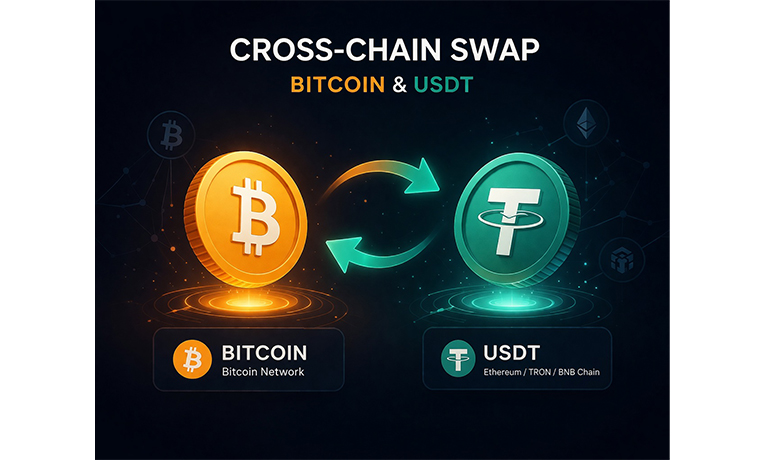
Moving crypto between blockchains should be straightforward. In practice, it’s one of the most common ways people lose money or waste time. Wrong network, wrong address format, stuck transactions, missing funds, the horror stories are endless, and most of them come down to a few avoidable mistakes.
The fundamental problem is that blockchains don’t talk to each other natively. Bitcoin doesn’t know Ethereum exists. Solana has no idea what’s happening on Polygon. To move value between them, you need either a bridge or an exchange. Bridges have been hacked for billions of dollars in aggregate. Exchanges, if you choose the right kind, are generally simpler and safer for most users.
The Five Things That Actually Matter
Most cross-chain mistakes come down to the same handful of oversights. None of them is complicated, but skipping even one can mean lost funds or wasted fees. Before your next swap, run through these five.
- Double-check the network. This is the number one cause of lost funds in cross-chain transactions. Sending BTC to a Bitcoin address when the platform expected BTC on a wrapped network. Sending USDT on Ethereum when the receiving wallet only supports USDT on Tron. These mistakes are usually irreversible. Before you confirm any swap, verify that the sending network and receiving network are what you think they are. Read it twice.
- Understand fee differences across chains. An Ethereum swap during peak gas hours might cost $15–30 in network fees and take several minutes. The same value moved on Tron costs cents and confirms in seconds. On Solana, it’s faster still. If you’re not in a rush, choosing a cheaper network path can save you real money. Many people default to Ethereum out of habit, even when a cheaper chain would work just as well.
- Start small with test transactions. If you’re using a new platform or switching to a network you haven’t used before, send a test transaction for the minimum amount. Verify it arrives. Then do the full swap. Yes, you pay fees twice. But paying $2 in extra network fees is a lot cheaper than losing $2,000 because you pasted the wrong address or selected the wrong chain.
- Check minimums and dust thresholds. Most swap services have minimum transaction sizes, and some networks have minimum balance requirements (like Solana’s rent exemption or XRP’s reserve). If you try to swap too little, the transaction might fail, or the received amount might be below the network’s usable threshold.
- Time your transactions. Network congestion varies throughout the day and week. Bitcoin transactions on a Sunday morning are typically cheaper and faster than on a Tuesday afternoon during US market hours. If your swap isn’t urgent, a bit of patience on timing can reduce your costs.
What a Good Platform Handles for You
Paysmaker handles a lot of the complexity behind the scenes. You pick your sending and receiving currencies, paste an address, and the routing happens automatically. But even with a good platform doing the heavy lifting, the responsibility of sending to the right address on the right network still falls on you. Just be aware that no exchange can reverse a transaction sent to the wrong blockchain.
One More Thing People Overlook
Not all tokens exist on all networks, even if the name is the same. USDC on Ethereum, USDC on Polygon, and USDC on Solana are technically different tokens bridged to different chains. Your wallet needs to support the specific network you’re receiving on. If you’re unsure whether your wallet supports a particular network, check before you swap, not after.
Cross-chain swaps aren’t hard once you understand the moving parts. The checklist is short: right network, right address, test transaction first, check the fees, check the minimums. Follow that, and you’ll avoid the mistakes that catch everyone else off guard.